

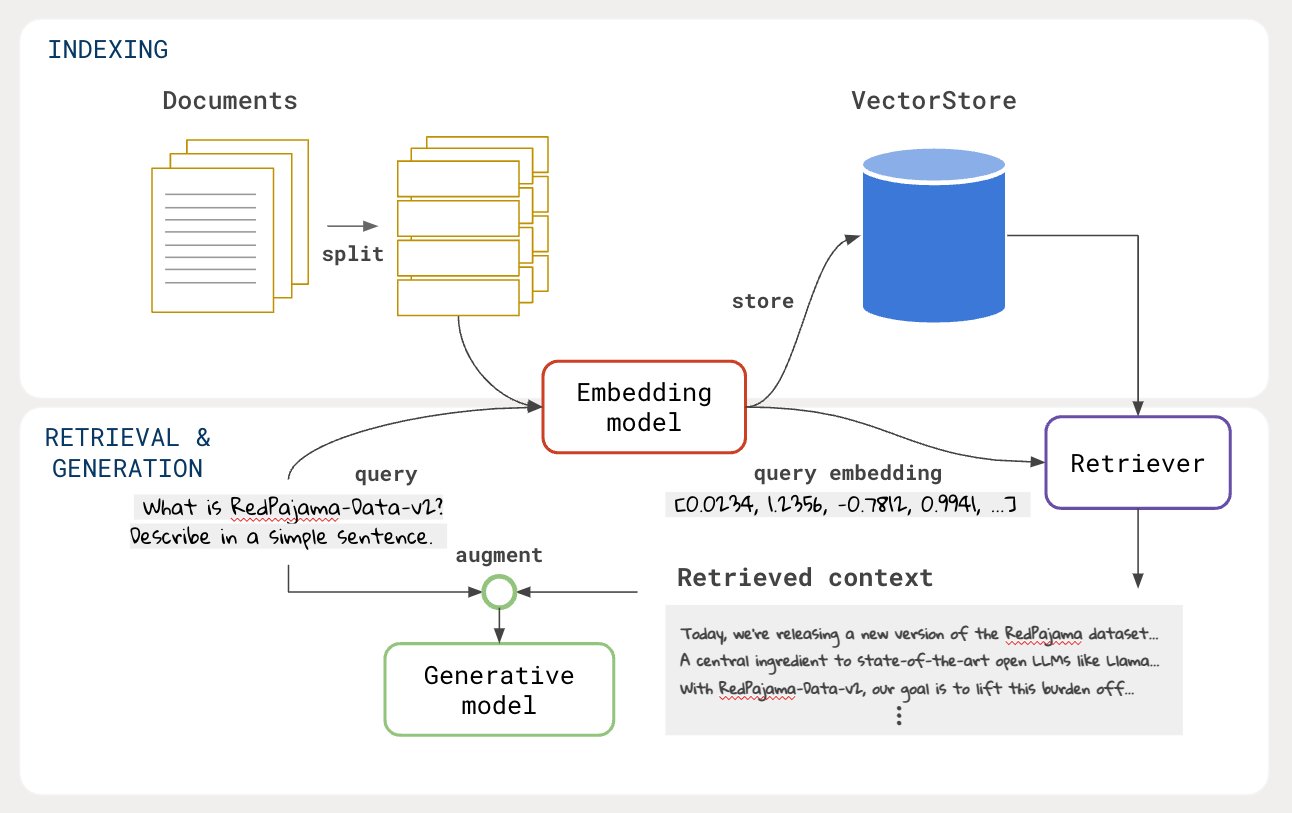
Quickstart
Embeddings Capability
Specifications for /v1/embeddings parameters and vector formatting.
Model Catalog
Browse available embedding models including nusa-embedding-0001 and nv-embed-v1.
Step-by-Step Implementation
2
Define Custom Embedding Function
ChromaDB allows custom embedding wrappers to direct vectorization requests to Neosantara’s
/v1/embeddings endpoint:3
Index Knowledge Base in ChromaDB
Populate documents into a Chroma collection. The embedding function automatically projects each passage into a 768-dimensional vector space:
4
Vector Retrieval & Grounded Generation
Retrieve the closest matching passages using cosine similarity and prompt the chat completion model with grounded context:
Complete Production Script
rag_chroma_complete.py
The
nusa-embedding-0001 model yields 768-dimensional vector embeddings and is included in Neosantara’s tier quota without separate vector charges.